


Exploring Virtual Reality in Modern Architecture
- Glenn Cavill
- Sep 22, 2025
- 4 min read

Virtual reality (VR) is no longer just a futuristic concept or a tool for gaming. It has become a powerful asset in many industries, especially in modern architecture. As someone who has followed the evolution of architectural technology closely, I find VR to be a game-changer. It allows architects, clients, and builders to experience designs in a fully immersive way before a single brick is laid. This blog post will take you through the exciting world of virtual reality in architecture, explaining how it works, its benefits, and how you can get involved in this innovative field.
The Role of Virtual Reality Architecture in Design
Virtual reality architecture is transforming how buildings are designed and presented. Traditionally, architects relied on blueprints, 3D models on screens, and physical models to communicate their ideas. While these methods are effective, they often lack the immersive experience that VR provides.
With VR, you can step inside a digital version of a building and explore it as if it were already built. This immersive experience helps identify design flaws early, understand spatial relationships better, and make more informed decisions. For example, walking through a virtual home can reveal if a hallway feels too narrow or if natural light reaches the intended rooms.
Moreover, VR architecture enhances collaboration. Clients who may struggle to interpret technical drawings can now experience the design firsthand. This clarity reduces misunderstandings and speeds up approval processes. Builders and contractors also benefit by visualising complex structures, which can improve accuracy during construction.
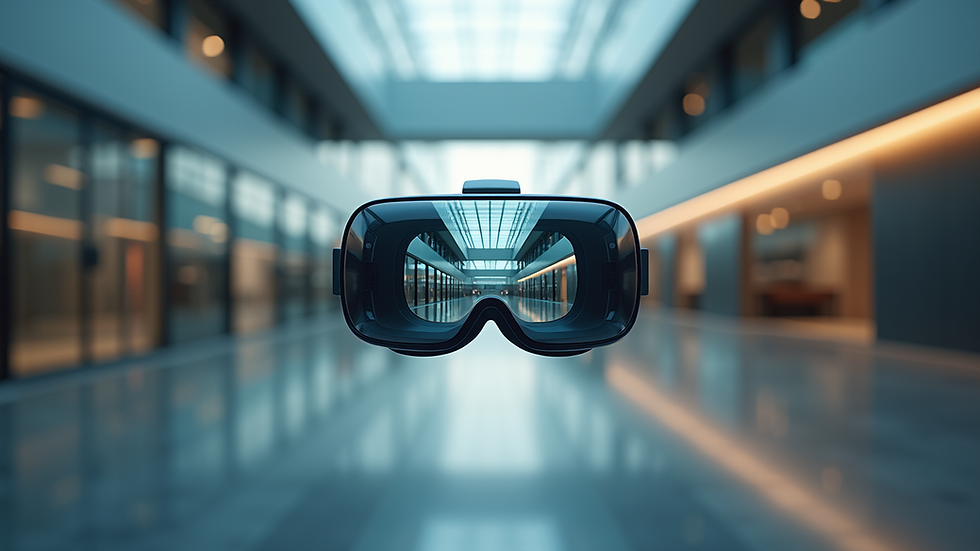
Practical Benefits of Using Virtual Reality in Architecture
The practical benefits of VR in architecture are numerous and impactful. Here are some key advantages:
Improved Design Accuracy: VR allows for real-time adjustments. Architects can tweak designs on the spot and immediately see the effects.
Cost Savings: Catching design errors early in VR reduces costly changes during construction.
Enhanced Client Engagement: Clients feel more involved and confident in the project when they can explore it virtually.
Better Marketing Tools: VR presentations can attract investors and buyers by showcasing properties in an engaging way.
Sustainability Insights: VR can simulate natural light, airflow, and energy use, helping architects design greener buildings.
For instance, a recent project I observed used VR to simulate sunlight at different times of the day. This helped the team optimise window placement to reduce energy consumption and improve comfort.
If you want to dive deeper into the technical side, exploring virtual reality design resources can provide valuable insights and inspiration.

How do I become a VR designer?
If you are fascinated by the intersection of technology and architecture, becoming a VR designer might be a rewarding path. Here’s a straightforward guide to get started:
Learn the Basics of Architecture and Design
Understanding architectural principles is essential. Consider studying architecture, interior design, or related fields.
Gain Technical Skills in VR Software
Familiarise yourself with VR development tools such as Unity, Unreal Engine, or Autodesk Revit with VR plugins. Many online courses and tutorials are available.
Develop 3D Modelling Skills
Master software like SketchUp, Blender, or 3ds Max to create detailed models that can be imported into VR environments.
Build a Portfolio
Create VR projects that showcase your ability to design immersive spaces. Include walkthroughs, interactive elements, and problem-solving examples.
Stay Updated with Industry Trends
VR technology evolves rapidly. Follow blogs, attend webinars, and join professional groups to keep your skills current.
Network and Collaborate
Connect with architects, developers, and VR specialists. Collaboration often leads to exciting projects and job opportunities.
By following these steps, you can position yourself at the forefront of virtual reality architecture and contribute to shaping the future of building design.
Challenges and Considerations in VR Architecture
While VR offers many benefits, it also comes with challenges that architects and designers must consider:
High Initial Costs: Setting up VR hardware and software can be expensive, especially for small firms.
Technical Learning Curve: Mastering VR tools requires time and dedication.
Hardware Limitations: Not all clients or stakeholders may have access to VR equipment.
Data Management: Large VR models demand significant computing power and storage.
User Experience Design: Creating intuitive and comfortable VR experiences is crucial to avoid motion sickness or confusion.
Despite these hurdles, the advantages often outweigh the drawbacks. Many firms find that investing in VR technology pays off through improved project outcomes and client satisfaction.
The Future of Virtual Reality in Architecture
Looking ahead, virtual reality architecture is set to become even more integrated into the design and construction process. Advances in VR hardware will make experiences more realistic and accessible. Integration with augmented reality (AR) and artificial intelligence (AI) will further enhance design capabilities.
Imagine walking through a virtual city where you can instantly modify buildings, test environmental impacts, or simulate emergency scenarios. These possibilities will revolutionise urban planning and architecture.
For those passionate about innovation, embracing VR now offers a chance to be part of this exciting transformation. Whether you are an architect, designer, or enthusiast, exploring virtual reality in architecture opens doors to creativity and efficiency like never before.

Virtual reality is reshaping how we design, experience, and build our environments. By stepping into virtual spaces, we gain new perspectives and tools that make architecture more precise, engaging, and sustainable. If you are curious about how to harness this technology, start exploring the resources and skills needed to join the VR design revolution today. The future of architecture is immersive, interactive, and incredibly exciting.


Comments