


The Principles of Contemporary Design Principles in Architecture

When I first started exploring architecture, I was fascinated by how buildings could be both functional and beautiful. Today, the world of architecture continues to evolve, and understanding the contemporary design principles is essential for anyone interested in creating spaces that stand the test of time. These principles guide architects in crafting structures that are not only visually appealing but also practical, sustainable, and innovative.
In this post, I will walk you through the core ideas behind modern architectural design, explain the key principles that shape contemporary architecture, and offer practical insights for those seeking high-end architectural solutions. Whether you are planning a new project or simply curious about what makes modern buildings so captivating, this guide will provide clear and useful information.
Understanding Contemporary Design Principles
Contemporary design principles in architecture focus on simplicity, functionality, and harmony with the environment. Unlike traditional styles that often rely on ornate details, contemporary architecture embraces clean lines, open spaces, and natural materials. This approach reflects a desire to create buildings that feel fresh, inviting, and relevant to today’s lifestyle.
One of the most important aspects of contemporary design is the emphasis on form following function. This means that every element of a building should serve a purpose, whether it’s structural support, lighting, or aesthetic appeal. Architects strive to eliminate unnecessary decoration and focus on what truly matters for the building’s use and context.
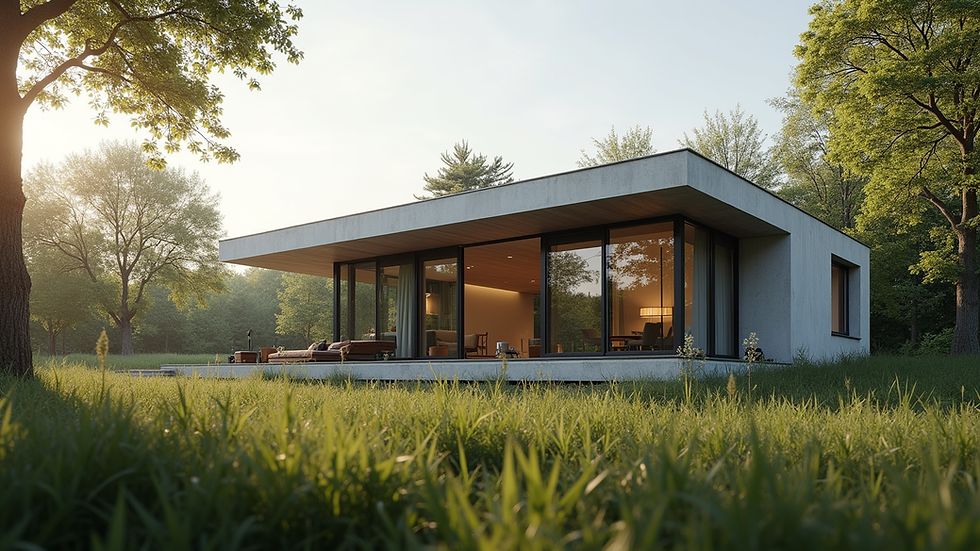
Another key feature is the integration of indoor and outdoor spaces. Large windows, sliding doors, and open floor plans help blur the boundaries between inside and outside, allowing natural light and fresh air to flow freely. This connection to nature not only enhances the visual appeal but also improves the wellbeing of those who use the space.
Sustainability is also a major consideration in contemporary design. Architects incorporate energy-efficient systems, eco-friendly materials, and smart technologies to reduce the environmental impact of buildings. This forward-thinking approach ensures that structures remain relevant and responsible for years to come.
Key Contemporary Design Principles to Consider
When approaching a project, I always keep several fundamental principles in mind. These help ensure that the final design is both beautiful and practical. Here are some of the most important contemporary design principles:
Simplicity and Minimalism: Avoid clutter and focus on clean, straightforward forms. This creates a timeless look that is easy to maintain.
Open Floor Plans: Encourage fluid movement and flexibility by reducing walls and barriers inside the building.
Natural Light: Maximise daylight through large windows, skylights, and glass doors to create bright, welcoming interiors.
Sustainable Materials: Use renewable, recycled, or locally sourced materials to reduce environmental impact.
Integration with Nature: Design outdoor spaces that complement the building and encourage interaction with the environment.
Functionality: Ensure every design choice serves a clear purpose, enhancing usability and comfort.
Technological Innovation: Incorporate smart home systems, energy-efficient appliances, and modern construction techniques.
By applying these principles, architects can create spaces that feel modern yet warm, innovative yet practical. For clients seeking high-end architectural design services, these ideas form the foundation of exceptional projects.
What are the 5 principles of modern architecture?
The five principles of modern architecture, originally articulated by the pioneer architect Le Corbusier, remain highly relevant today. They provide a clear framework for designing buildings that are both functional and aesthetically pleasing:
Pilotis (Supports)
Replace traditional load-bearing walls with reinforced concrete columns. This allows for open floor plans and frees up space beneath the building.
Free Plan
With structural supports in place, interior walls can be arranged freely without affecting the building’s stability. This flexibility encourages creative layouts.
Free Facade
The facade is independent of the structural supports, allowing for large windows and varied exterior designs.
Horizontal Windows
Long, horizontal windows provide even lighting and connect the interior with the outside environment.
Roof Garden
Flat roofs are transformed into usable outdoor spaces, often with gardens or terraces, adding green space and improving insulation.
These principles highlight the importance of structure, light, and open space in modern architecture. They also demonstrate how design can enhance both the function and beauty of a building.

Practical Tips for Applying Contemporary Design Principles
If you are considering a new architectural project or renovation, here are some actionable recommendations to help you incorporate contemporary design principles effectively:
Start with a Clear Vision
Define the purpose of your building and how you want it to feel. This will guide all design decisions and ensure coherence.
Prioritise Natural Light
Plan window placement carefully to maximise daylight while controlling heat gain and loss. Consider using double-glazed or low-emissivity glass.
Choose Quality Materials
Invest in durable, sustainable materials that age well and require minimal maintenance. Wood, stone, and concrete are popular choices.
Create Flexible Spaces
Design rooms that can adapt to different uses over time. Open floor plans and movable partitions can help achieve this.
Incorporate Green Elements
Use plants, green roofs, and natural landscaping to soften the building’s appearance and improve air quality.
Work with Experienced Professionals
Collaborate with architects and designers who understand contemporary principles and can tailor solutions to your needs.
Consider Energy Efficiency
Integrate insulation, ventilation, and renewable energy sources to reduce running costs and environmental impact.
By following these tips, you can ensure your project reflects the best of contemporary design while meeting your specific requirements.
Embracing Innovation in Architectural Design
Innovation is at the heart of contemporary architecture. New materials, construction methods, and digital tools allow architects to push boundaries and create unique, customised solutions. For example, 3D modelling and virtual reality enable clients to experience designs before construction begins, improving communication and decision-making.
Sustainable technologies such as solar panels, rainwater harvesting, and smart lighting systems are becoming standard features in high-end projects. These innovations not only reduce environmental impact but also enhance comfort and convenience.
In my experience, embracing innovation means staying open to new ideas and technologies while respecting the core principles of good design. This balance ensures that buildings are both cutting-edge and timeless.
If you want to explore more about modern architectural design, I recommend visiting expert studios that specialise in innovative and sustainable solutions.
Designing Spaces That Inspire and Endure
Ultimately, the goal of contemporary architectural design is to create spaces that inspire and endure. This means buildings should be beautiful, functional, and adaptable to changing needs. By applying the principles discussed here, architects can deliver projects that stand out for their quality and innovation.
Whether you are planning a private residence, commercial building, or public space, focusing on simplicity, light, sustainability, and flexibility will help you achieve exceptional results. Remember, great architecture is not just about aesthetics - it’s about enhancing the way people live and interact with their environment.
I hope this guide has provided you with valuable insights and practical advice. If you are ready to embark on your architectural journey, consider partnering with professionals who share a passion for excellence and innovation.
Thank you for reading. I look forward to seeing how these contemporary design principles inspire your next project.


Comments